Tips & Tricks
Baking Powder vs. Baking Soda: Key Differences
Understanding the differences between baking powder and baking soda is crucial for successful baking. Discover their unique roles in your kitchen.
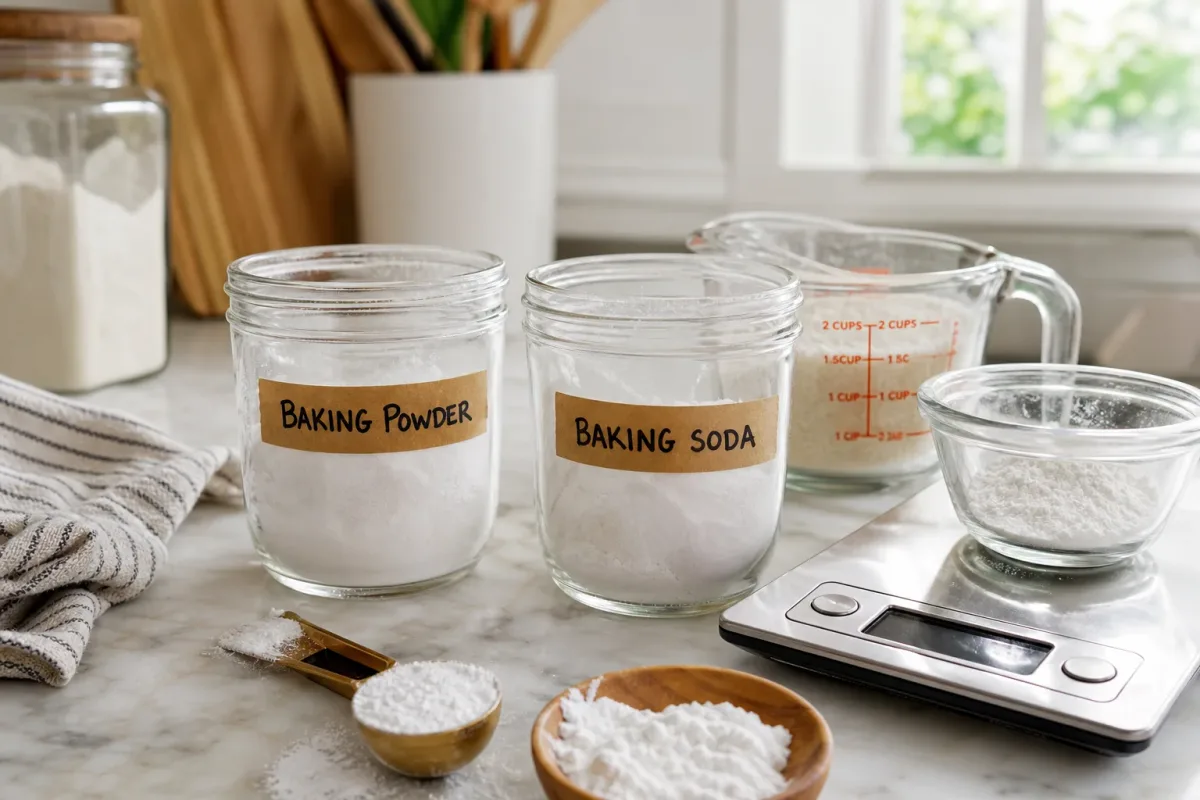
Baking is a science, and knowing the right leavening agent to use can make all the difference in your baked goods. Baking powder and baking soda are both essential ingredients, but they serve different purposes. Let’s explore what sets them apart and how to use them effectively.
What is Baking Soda?
Baking soda, or sodium bicarbonate, is a pure chemical compound that requires an acid to activate. When it reacts with an acidic ingredient, it produces carbon dioxide gas, which helps baked goods rise.
Common Uses for Baking Soda:
- Cookies: Adds a slight browning effect.
- Muffins: Provides lift when paired with yogurt or vinegar.
- Pancakes: Works well with buttermilk.
What is Baking Powder?
Baking powder contains baking soda, but it also includes an acid (usually cream of tartar) and a moisture-absorber like cornstarch. It can be single-acting or double-acting. Double-acting baking powder produces gas bubbles twice—once when mixed with wet ingredients and again when heated.
Common Uses for Baking Powder:
- Cakes: Ensures even rise for fluffy textures.
- Biscuits: Creates a tender crumb.
- Quick breads: Ideal for recipes without citrus or vinegar.
Key Differences
Understanding the differences between these two leavening agents can help you avoid baking disasters:
- Composition: Baking soda is pure sodium bicarbonate; baking powder contains both sodium bicarbonate and an acid.
- Activation: Baking soda needs an acid to activate, while baking powder has built-in acids.
- Flavor: Baking soda can impart a slight alkaline taste if not balanced, whereas baking powder has a neutral flavor.
When to Use Each
Choosing the right leavening agent depends on your recipe:
- Use baking soda when your recipe includes acidic ingredients.
- Opt for baking powder when there are no acidic components in your mix.
Example Situations:
- For chocolate chip cookies with brown sugar or yogurt: Baking soda.
- For a vanilla cake: Baking powder.
Pro Tips
- Check Freshness: Both baking soda and baking powder lose potency over time. Test baking soda by mixing it with vinegar; it should fizz. For baking powder, combine it with warm water; it should bubble.
- Measure Accurately: Use the right measuring spoon—1 tsp of baking soda can be too much if not leveled off.
- Don’t Substitute: If a recipe calls for baking powder, don’t replace it with baking soda without adjusting the acid content.
Safety Note
While baking soda and baking powder are safe to use in cooking, too much can lead to an unpleasant taste. Overconsumption can cause digestive issues, so stick to the recipe measurements.
Conclusion
Now that you understand the differences between baking powder and baking soda, you can confidently tackle any recipe. Experiment with both leavening agents to see how they affect your baked goods. Happy baking!