Tips & Tricks
How to Make Oat Flour at Home in 60 Seconds
Making oat flour at home is a quick and easy process. In just 60 seconds, you can turn oats into flour for your favorite recipes.
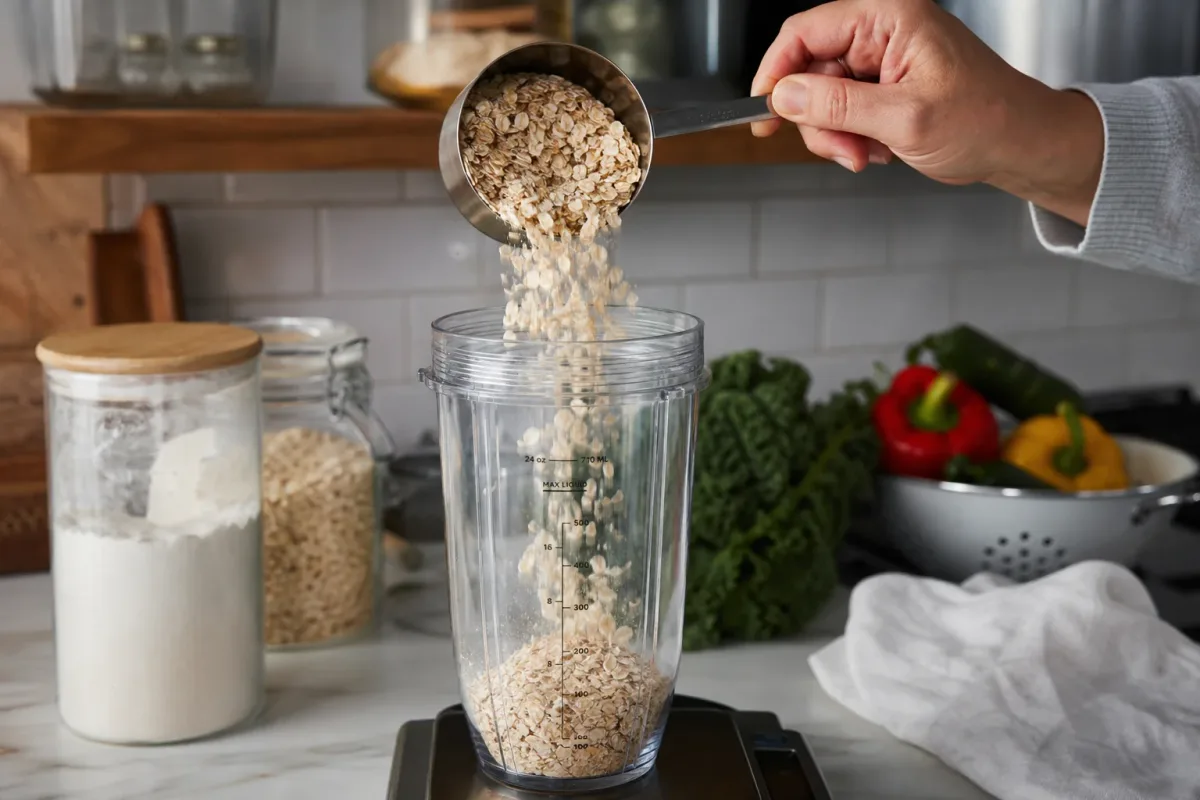
When a recipe calls for oat flour and you don’t have any on hand, don’t worry! You can make your own in just 60 seconds. This not only saves you a trip to the store but also allows you to control the freshness and quality. Let’s dive into how to create this versatile ingredient with minimal effort.
What You Need
- Rolled oats or quick oats (1 cup for every cup of flour needed)
- High-speed blender or food processor
- Airtight container for storage
Steps to Make Oat Flour
- Measure out your oats: Start by measuring 1 cup of rolled or quick oats. If you need more flour, simply adjust the amount accordingly.
- Blend the oats: Pour the oats into your high-speed blender or food processor. Secure the lid and blend on high for about 30-60 seconds. You want to achieve a fine flour consistency.
- Check the texture: Stop the blender and check the texture. If you see any larger pieces, blend for another 10-15 seconds.
- Store the oat flour: Transfer your homemade oat flour into an airtight container. It can be stored in a cool, dry place for up to 3 months.
Why Use Oat Flour?
Oat flour is naturally gluten-free and adds a mild, slightly sweet flavor to baked goods. It’s perfect for pancakes, cookies, and even as a thickening agent in soups and sauces. By making your own oat flour, you ensure it’s fresh and free from additives.
Pro Tips
- Blend in batches: If you’re making a larger batch, blend in smaller portions for a more consistent texture.
- Store in the fridge: For longer shelf life, consider storing your oat flour in the refrigerator.
- Use old-fashioned oats: They yield the best results, but avoid instant oats as they may not blend well.
- Sift if necessary: If you desire even finer flour, sift through a mesh strainer after blending.
Safety Note
Always ensure your equipment is clean before use to avoid cross-contamination, especially if you have allergies. While oat flour is naturally shelf-stable, storing it in the fridge can extend its freshness.
Conclusion
Making oat flour at home is a quick and straightforward process. With just a minute of your time, you can create a fresh, healthful ingredient for all your baking needs. Give it a try and enjoy the benefits of homemade oat flour!