Tips & Tricks
How to Substitute Almond Flour for All-Purpose Flour
Learn how to effectively substitute almond flour for all-purpose flour with our easy ratio guide, tips, and tricks for successful baking.
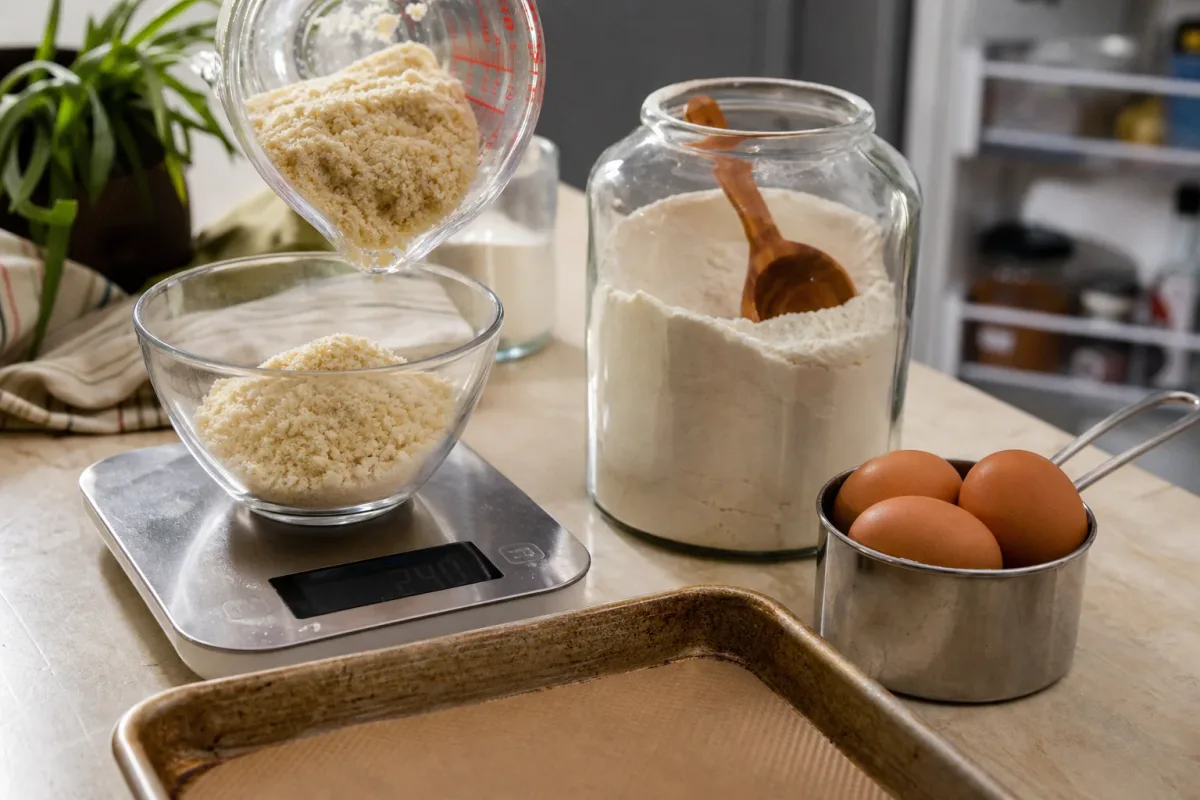
Substituting almond flour for all-purpose flour can be tricky but rewarding. This guide will help you navigate the differences in texture and flavor, ensuring your recipes turn out deliciously. By understanding the right ratios and techniques, you can enjoy gluten-free baking without compromising on taste or texture.
Understanding the Differences
Almond flour and all-purpose flour have different properties that affect your baking results.
Texture
- Almond flour is coarser and denser than all-purpose flour. This means recipes may require adjustments to achieve the desired texture.
- All-purpose flour provides structure and lightness, which is often needed in baked goods.
Moisture Content
- Almond flour contains more fat and moisture. This can lead to denser baked goods if not adjusted properly.
Substitution Ratios
For most recipes, you can use the following basic ratios:
- 1 cup of all-purpose flour = 1/4 to 1/3 cup of almond flour
- For denser items like pancakes or cookies, you may use 1/2 cup of almond flour for every cup of all-purpose flour.
Adjusting Liquids
- When substituting, reduce the liquid in your recipe by about 1 tbsp per 1/4 cup of almond flour used. This helps balance the moisture content.
Baking Time and Temperature
Keep in mind that almond flour can cause baked goods to brown faster. Adjust your baking time and temperature accordingly:
- Lower the oven temperature by 25°F when baking with almond flour.
- Start checking for doneness 5-10 minutes earlier than the original recipe suggests.
Pro Tips
- Mix with other flours: Consider blending almond flour with coconut flour or gluten-free flour for better texture.
- Use eggs: Adding an extra egg can help bind the ingredients and improve the rise in baked goods.
- Sift almond flour: Sifting can help reduce clumps and improve the consistency of your batter.
Safety Note
Be cautious with storage. Almond flour should be kept in an airtight container in the refrigerator or freezer to prevent rancidity. Always check for any off smells or signs of spoilage before using.
Conclusion
Substituting almond flour for all-purpose flour may take some practice, but with the right ratios and adjustments, you can create delicious gluten-free treats. Don’t be afraid to experiment with your favorite recipes and enjoy the unique flavors almond flour can bring to your baking!