Tips & Tricks
How to Store Fresh Herbs So They Last Longer
Learn effective methods to store fresh herbs and extend their shelf life. Enjoy vibrant flavors in your dishes with these simple storage tips.
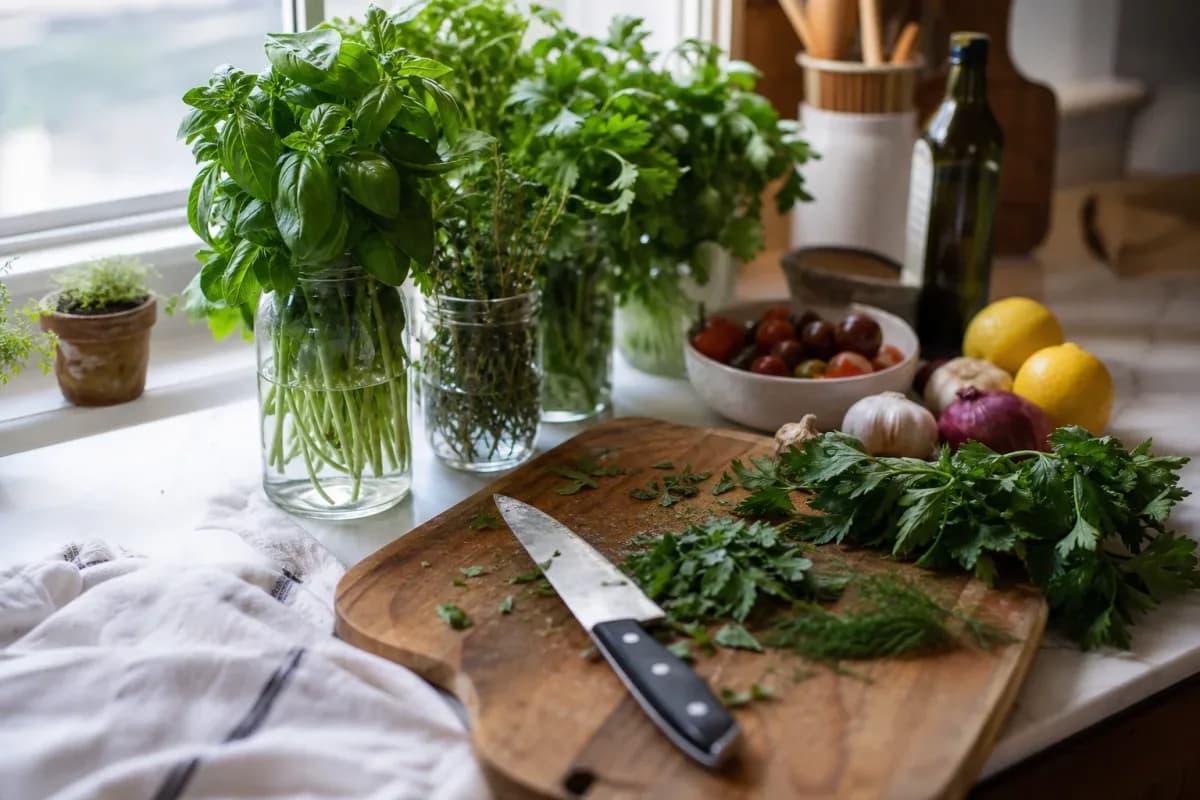
Storing fresh herbs properly can significantly enhance their shelf life and flavor. Many home cooks struggle with herbs wilting or spoiling quickly. Fortunately, there are effective methods to keep them fresh longer, ensuring you can enjoy their vibrant taste in your dishes.
Choosing Fresh Herbs
When selecting herbs, look for vibrant colors and sturdy leaves. Avoid wilted or discolored herbs, as they won’t store well. Fresh herbs like basil, parsley, and cilantro can enhance your meals, so investing in quality is key.
Best Practices for Cleaning
- Rinse: Gently wash herbs under cold water to remove dirt.
- Dry: Pat them dry with a clean kitchen towel or use a salad spinner to remove excess moisture. Moisture can lead to quick spoilage.
Storage Methods
Different herbs require different storage methods for optimal freshness. Here’s how to store some common herbs effectively:
1. Refrigeration in Water
Best for: Basil, cilantro, parsley
- Trim the stems about 1 inch.
- Place the herbs upright in a glass or jar with 1-2 inches of water at the bottom.
- Cover loosely with a plastic bag and store in the refrigerator. Change the water every few days.
2. Refrigeration Wrapped in Damp Paper Towels
Best for: Dill, mint, chives
- Dampen a paper towel slightly (not soaking wet).
- Place the herbs in the towel and roll them up.
- Store the wrapped herbs in a zip-top bag or airtight container in the fridge.
3. Freezing
Best for: Thyme, rosemary, sage
- Chop the herbs and place them in ice cube trays.
- Fill with water or olive oil and freeze.
- Once frozen, transfer cubes to a zip-top bag. Use as needed in cooking.
4. Drying
Best for: Oregano, basil, thyme
- Bundle herbs together and hang upside down in a warm, dark area with good air circulation.
- Once fully dried (usually in 1-2 weeks), store in airtight containers away from light.
Pro Tips
- Label your herbs if freezing or drying to keep track of their storage date and type.
- Avoid washing herbs until you’re ready to use them, as excess moisture can lead to spoilage.
- Use brown paper bags for storing herbs in the fridge to allow for air circulation and reduce moisture build-up.
Safety Note
When drying herbs, ensure they’re completely dry before storing to prevent mold. For frozen herbs, use them within 6-12 months for the best flavor. Always check for any signs of spoilage before use.
Conclusion
By following these simple storage methods, you can keep your fresh herbs vibrant and flavorful for longer. Experiment with these techniques to find what works best for your favorite herbs, and enjoy the benefits in your cooking!