Tips & Tricks
Why Did My Cake Sink in the Middle?
Discover the common reasons why cakes sink in the middle and how to prevent it with these essential baking tips.
Baking a cake can be a challenge, especially when it sinks in the middle. This not only affects the cake's appearance but also its texture and flavor. Understanding the reasons behind this common issue can help you achieve a perfectly risen cake every time.
Common Causes of Cake Sinking
Overmixing the Batter
When you mix the batter too much, you incorporate excess air, which can initially cause the cake to rise quickly but may lead to collapse as it cools. Mix just until combined for the best results.
Incorrect Oven Temperature
An oven that's too hot can cause the cake to rise too quickly and then sink. Use an oven thermometer to ensure accurate temperature readings, aiming for 350°F for most cakes.
Underbaking
If a cake is removed from the oven too soon, it may not set properly, leading to a sunken center. Always check for doneness using a toothpick; it should come out clean or with a few crumbs attached. Most cakes need about 25-35 minutes in the oven.
Too Much Leavening Agent
Adding too much baking powder or baking soda can create excess gas, causing the cake to rise rapidly and then collapse. Stick to the recipe's measurements and avoid doubling leavening agents unless specifically instructed.
Wrong Pan Size
Using a pan that's too small can cause the cake to overflow, while a pan that's too large can lead to uneven baking. Always adhere to the recommended pan size in the recipe for even cooking.
How to Prevent Sinking Cakes
Use Room Temperature Ingredients
Ensure your eggs, butter, and other dairy are at room temperature. This helps create a smooth batter that rises evenly.
Properly Measure Ingredients
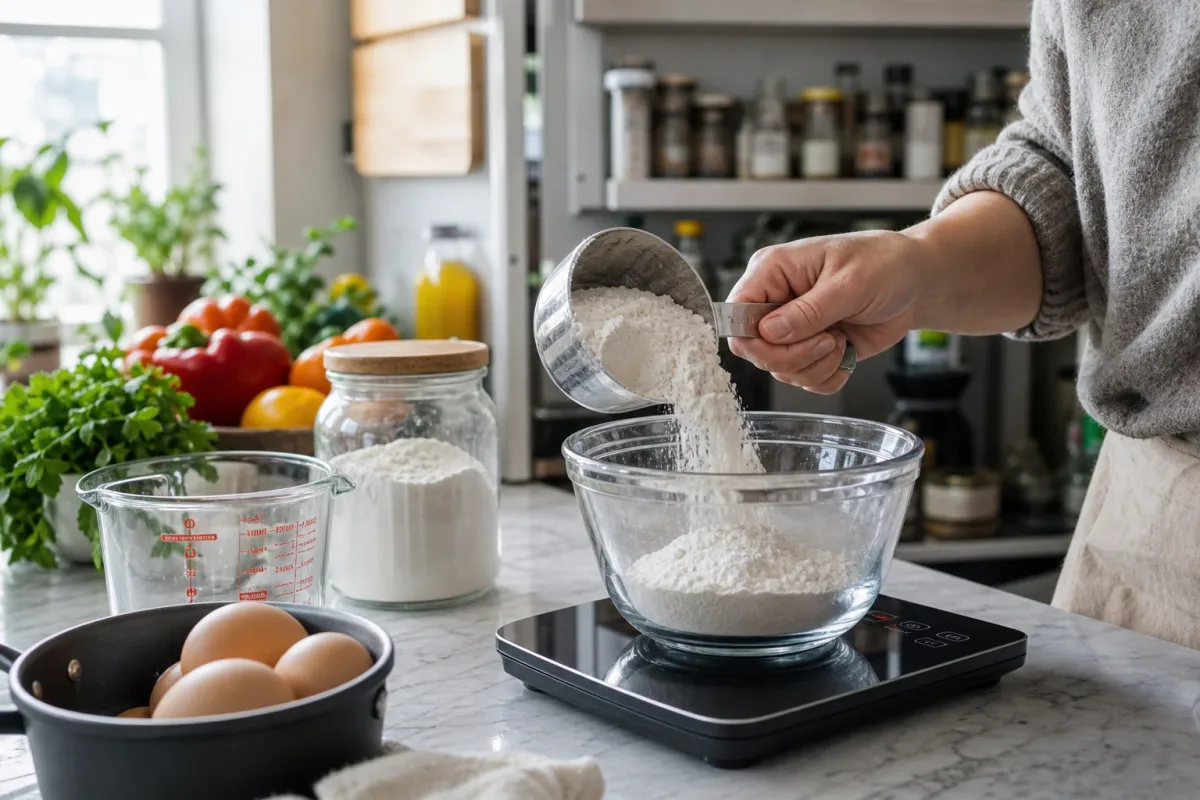
Accurate measurement is key. Use dry measuring cups for flour and brown sugar, and liquid measuring cups for wet ingredients. Spoon and level your flour instead of scooping to avoid packing it down.
Bake in the Center of the Oven
Position your cake in the middle rack of the oven to ensure even heat distribution. Avoid opening the oven door too often to maintain a steady temperature.
Allow Cakes to Cool Gradually
After baking, let the cake cool in the pan for about 10-15 minutes before transferring it to a wire rack. This helps it set properly and reduces the risk of sinking.
Pro Tips
- Experiment with Cake Flour: Using cake flour instead of all-purpose flour can result in a lighter cake, reducing sinking risks.
- Add an Extra Egg: For added structure, consider adding an extra egg to your batter for a sturdier rise.
- Check Freshness of Ingredients: Ensure your leavening agents are fresh. Old baking powder or soda may not provide the necessary lift.
Safety Note
When making cakes with fillings that require refrigeration, ensure they are stored in the fridge to prevent foodborne illness. Always check for signs of spoilage before serving.
Conclusion
Baking is an art that requires practice and patience. By understanding the common reasons for cake sinking and following these tips, you can create beautiful, perfectly risen cakes that are sure to impress. Don’t be discouraged; every baking experience is a step toward mastering your skills!